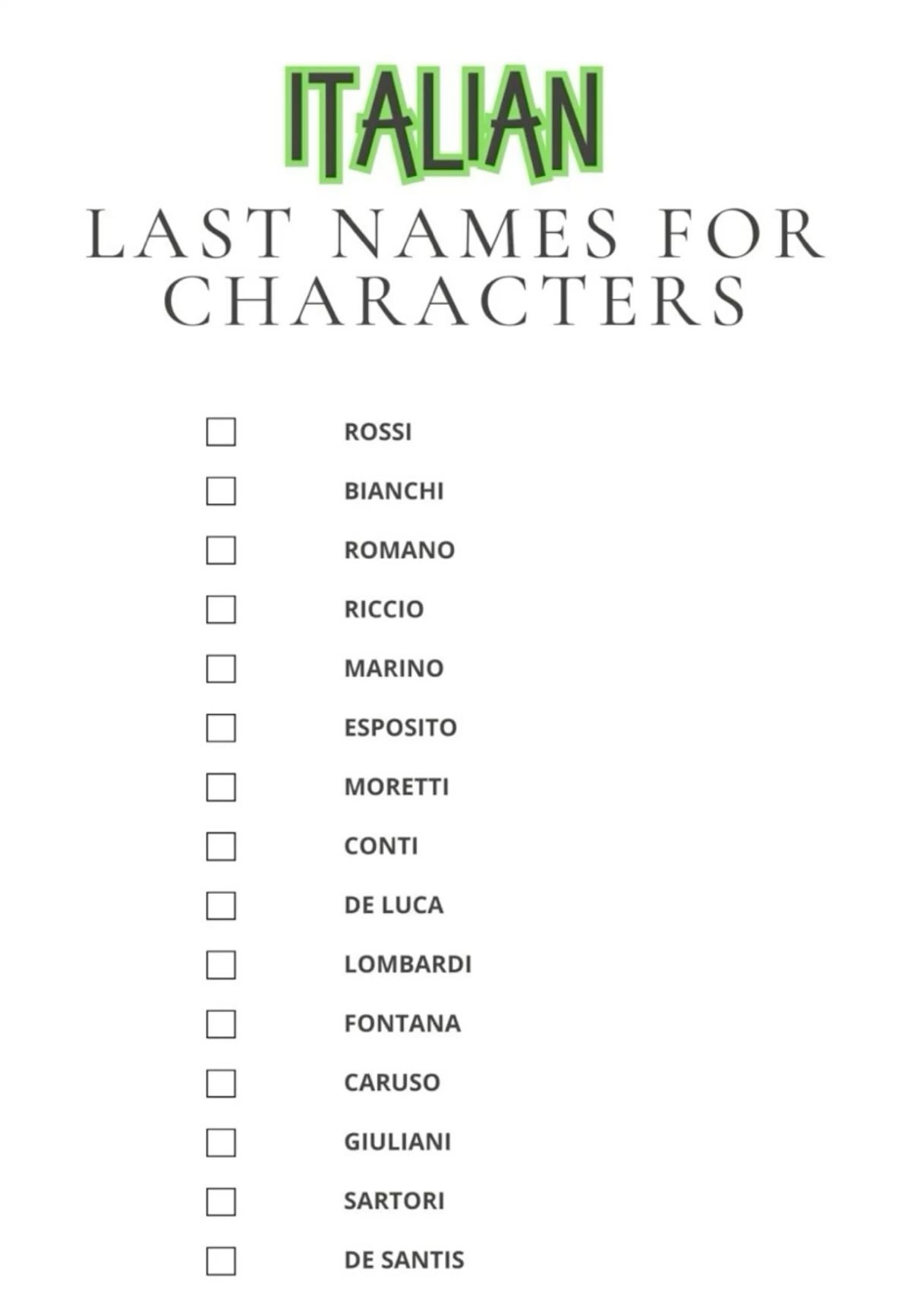
Imagine a character whose very name whispers their essence, setting the stage long before they utter a word. For writers crafting compelling narratives, few choices are as potent as selecting the perfect name. And when your story calls for a touch of passion, history, and vibrant personality, Italian names for fictional characters offer an unparalleled palette. They carry echoes of ancient empires, Renaissance artistry, and a modern spirit that blends family, food, and fierce independence.
Choosing an Italian name isn't just about picking something that sounds nice; it's about imbuing your character with a legacy. It's about suggesting a backstory, a personality, or even a subtle irony that enriches your reader's experience. From the romantic to the rugged, the mysterious to the magnificent, Italian nomenclature provides a depth that can elevate any story from good to unforgettable.
At a Glance: Crafting Character Through Italian Names
- Meaning Matters: Italian names often have beautiful, descriptive meanings that can mirror or subtly contrast your character's traits.
- Cultural Nuance: Names reflect heritage, social standing, and regional ties. Use them to ground your characters in a believable world.
- Sound & Flow: The musicality of Italian names can enhance dialogue and narrative rhythm.
- Versatility: Whether you need a hero, a villain, a charming sidekick, or a fantasy creature, there’s an Italian name to fit.
- Beyond the Basics: Explore last names, nicknames, and even names for businesses to build a richer setting.
- Tools to Help: Use generators and curated lists to spark inspiration and find unique options.
The Power of a Name: Why Italian?
Why turn to Italy for your character's moniker? Because Italian names are inherently evocative. They are steeped in history, rich with cultural significance, and often possess a lyrical quality that makes them memorable. A character named "Aurelia" immediately suggests radiance and nobility, while "Marcello" brings to mind a certain grounded strength and perhaps a touch of artistic flair.
These names aren't mere labels; they are miniature stories in themselves. They can hint at a character's destiny, their family lineage, or even an ironic counterpoint to their true nature. For example, naming a fierce warrior "Serenella" (peace, gentle nature) could add a poignant layer of complexity to their personality. This attention to detail isn't just for you, the writer; it subtly informs and enriches the reader's perception, creating a more immersive and believable world.
For Your Leading Ladies: Italian Female Names that Captivate
When seeking a name for a strong protagonist, a gentle soul, or a captivating enigma, Italian female names offer a spectrum of choices. They often carry graceful sounds and powerful meanings, perfect for lending depth to your character.
Consider these options, each with its unique flavor:
- Fiorella: Meaning "blooms like a flower," this name is perfect for a character who blossoms under pressure, is inherently beautiful, or brings life to barren situations.
- Lunetta: Evoking the "mystery of the moon," Lunetta could be ideal for an enigmatic, intuitive, or perhaps melancholic character with hidden depths.
- Serenella: "Peace, gentle nature" – an excellent choice for a kind-hearted healer, a diplomatic leader, or even a seemingly soft character who harbors immense inner strength.
- Rosavita: Combining "rose" and "life," this name suggests vibrancy, enduring beauty, and a zest for living.
- Mariella: A diminutive of Maria, often associated with "the sea," suitable for a character with a deep, changeable nature, or someone connected to water.
- Belladonna: Directly translating to "beautiful woman," but also the name of a poisonous plant. This name screams allure, danger, and a captivating mystery. A perfect villainess or femme fatale.
- Carminella: Signifying "passion, creativity," it's a fitting name for an artist, a revolutionary, or anyone driven by intense emotion.
- Giulietta: The classic "charm, romance," immediately brings to mind Shakespearean tragedy and enduring love.
- Aurelia: Meaning "gold, radiance," for a character who shines, is wealthy, or possesses a golden heart.
- Eleonora: Suggests "elegant, noble," fitting for royalty, an aristocratic figure, or a character with refined tastes and bearing.
- Violetta: Named after the "violet flower," implying shyness, modesty, or perhaps a hidden strength.
- Isabella: Meaning "devoted to God," a timeless name for a faithful, strong, or religiously inclined character.
- Celestina: "Heavenly elegance" – suitable for a serene, ethereal, or divinely touched character.
- Ninetta: Imbues "youthful energy," great for a sprightly sidekick, a budding hero, or a character who never loses their childlike wonder.
- Renata: Meaning "reborn," ideal for a character undergoing a significant transformation or returning from a past trauma.
- Loredana: Signifying "victory, honor," a powerful name for a triumphant leader, a respected warrior, or someone who upholds strong moral codes.
For even more inspiration, especially if you're looking for traditional choices, you might explore beautiful Italian girl names to find that perfect fit.
Crafting Heroes and Villains: Male Italian Names of Substance
From stoic protectors to cunning antagonists, Italian male names offer a robust collection that conveys strength, intellect, and character. They often possess a solid, grounded feel that can anchor any fictional persona.
Here are some powerful examples to consider:
- Marcello: "Little warrior" – perfect for a determined character, someone who overcomes obstacles, or a protective figure.
- Alessio: "Defender" – a classic choice for a knight, a bodyguard, or anyone who stands up for others.
- Fabrizio: Suggests "craftsmanship," fitting for an artisan, an inventor, or a character who builds and creates.
- Leonardo: "Artistic brilliance" – an obvious nod to Da Vinci, great for a genius, an artist, or a visionary.
- Vittorio: "Victor" – a strong name for a triumphant hero, a successful leader, or someone with an unyielding will to win.
- Domenico: Implies "devotion, family," suitable for a traditionalist, a family patriarch, or a character deeply loyal to their roots.
- Lorenzo: Signifies "honor, achievement," a sophisticated choice for a noble, a scholar, or a respected figure.
- Ettore: "Strength, valor" – a heroic name, reminiscent of Hector of Troy, ideal for a brave warrior or a tragic hero.
- Gianluca: Combining "faith, light," it works for a hopeful character, a spiritual guide, or someone who brings clarity to darkness.
- Salvatore: "Savior" – a powerful and evocative name for a character destined to rescue others, or one who undergoes a personal redemption.
- Antonio: "Strength, leadership" – a timeless, authoritative name for a commander, a patriarch, or a dominant personality.
- Riccardo: "Powerful ruler" – a regal choice for a king, a mob boss, or anyone who commands respect and authority.
- Matteo: "Gift of God" – suitable for a beloved character, someone blessed, or a character who brings good fortune.
- Raffaele: "Healing, protection" – perfect for a doctor, a guardian angel, or a character with restorative powers.
- Massimo: "The greatest" – an impactful name for a character who excels, is ambitious, or holds a position of ultimate power.
- Orlando: Evokes "legendary heroism," a grand name for an epic hero, a wanderer, or a character with a fabled past.
If you're looking for names that resonate with tradition and enduring appeal, don't forget to check out popular Italian boy names for more ideas that have stood the test of time.
Beyond First Names: The Resonance of Italian Last Names
A surname isn't just an identifier; it’s a story in itself. Italian last names often reveal a character’s ancestral origin, a family trade, or even a defining physical characteristic that has been passed down through generations. Incorporating a meaningful surname can add layers of realism and backstory to your fictional universe.
Consider how these surnames can inform your character:
- DiBello: "Of beauty" – suggests a lineage known for attractiveness, artistry, or a refined aesthetic.
- Rossetti: "Red-haired ancestors" – immediately paints a picture of a character's physical appearance or a distinctive family trait.
- Montanari: "From the mountains" – implies a hardy, resilient character, perhaps with a deep connection to nature or a secluded upbringing.
- Ferronetti: "Iron, blacksmith heritage" – perfect for a strong, grounded character, a craftsman, or someone with a tough exterior.
- Bianconi: "White, fair complexion" – another descriptor that can hint at appearance or even purity and innocence.
- Verdelli: "Green, tied to nature" – suitable for an environmentalist, a druid, or a character with a calming presence.
- Pescatore: "Fisherman" – great for a character from a coastal town, someone patient, or an individual who works with their hands.
- Amorini: "Love" – could be used ironically for a loveless character, or genuinely for a romantic lead.
- Colombari: "Dove, peace" – implies a peacemaker, a gentle soul, or someone who seeks harmony.
- Silvestri: "Of the forest" – ideal for a ranger, an outcast, or a character with a wild, untamed spirit.
- Giorgiani: "Regional roots" – hints at a character's specific origin within Italy, adding geographical depth.
- Acquarelli: "Water" – evocative for a character with a fluid personality, an artist (watercolors), or someone connected to the sea.
- Casanova: "New house" – famously associated with a seducer, but could also mean someone who frequently reinvents themselves or moves on.
- Lunardi: "Moon" – for a character who is mysterious, nocturnal, or has a changeable nature.
- DeSantis: "Of the saints" – suggests a religious background, moral uprightness, or a family with a strong sense of duty.
- Cappellini: "Hat, millinery craft" – a unique surname for a character with a distinctive style, a clever mind, or a family business history.
Understanding the rich history of Italian surnames can unlock even deeper layers for your character development.
Naming the Younger Generations: Italian Names for Boys and Girls
When creating younger characters—children, teenagers, or even characters with a youthful spirit—choosing a name that reflects their potential, innocence, or burgeoning strength is key. These names often carry traditional weight while still feeling fresh and appealing.
Italian Names for Boys: Strength and Tradition
- Adriano: "Depth, resilience" – for a character who faces challenges head-on and endures.
- Giovanni: "God is gracious" – a classic, strong name for a benevolent character or a traditional family heir.
- Paolo: "Small, humility" – excellent for a character who grows into their power, or one with an unassuming strength.
- Rinaldo: "Wise power" – for a clever strategist, a young leader, or a character with innate wisdom beyond their years.
- Tiziano: "Creativity, artistry" – perfect for a budding artist, a dreamer, or a character who sees the world differently.
- Nicola: "Victory of the people" – fitting for a popular kid, a future leader, or someone who inspires others.
- Eugenio: "Noble" – suggests good breeding, a refined nature, or a character with a strong moral compass.
- Fabiano: "Skill, innovation" – for a clever problem-solver, a young inventor, or someone who finds unique solutions.
- Carlo: "Free man" – a solid name for an independent spirit, an adventurer, or a character who values liberty.
- Gabriele: "Protection, guidance" – often associated with the archangel, good for a mentor, a loyal friend, or a guardian figure.
- Alberto: "Bright noble" – for a charismatic, intelligent, or high-born character.
- Pietro: "Rock, stability" – a grounding name for a steadfast friend, a reliable leader, or someone with unwavering principles.
- Luigi: "Famous warrior" – a classic for a brave character, a hero in the making, or someone with an adventurous spirit.
- Simone: "He has heard" – implying a good listener, an empath, or someone who absorbs wisdom.
- Davide: "Beloved strength" – for a character who is cherished, strong, and maybe underestimated, like David from Goliath.
- Romano: "From Rome" – suggests a character with deep historical ties, a strong sense of identity, or a classical demeanor.
Italian Names for Girls: Grace and Beauty
- Bianca: "White, purity" – for an innocent character, a symbol of hope, or someone with a pristine nature.
- Livia: "Peace, strength" – a sophisticated choice for a calm, powerful young woman.
- Giorgia: "Earthiness, reliability" – for a grounded character, a loyal friend, or someone with a practical mind.
- Sofia: "Wisdom" – a timeless name for an intelligent, insightful, or contemplative character.
- Valentina: "Strength, love" – a dual-meaning name for a passionate and resilient young woman.
- Alessandra: "Defender of men" – a powerful name for a protector, a strong leader, or a character who champions justice.
- Chiara: "Clear or bright" – suitable for an optimistic character, someone who brings light, or a sharp thinker.
- Amelia: "Industriousness, resilience" – for a hardworking, determined, and adaptable character.
- Serena: "Peace, tranquility" – a gentle name for a calm presence, a healer, or a character who brings balance.
- Fiorina: "Flower" – a delicate yet enduring name for a sweet, growing character.
- Elisabetta: "God is my oath" – a traditional, strong name for a faithful or principled young woman.
- Martina: "Determination, vitality" – for an energetic, spirited, and strong-willed character.
- Luciana: "Light" – for a character who illuminates others, is intelligent, or has a bright personality.
- Caterina: "Purity, strength" – a classic choice for a noble, resilient, or morally upright young woman.
- Azzurra: "Azure" – evocative of the sky and sea, for a character with a free spirit, deep emotions, or a love for nature.
- Vittoria: "Victorious, triumphant" – a powerful name for a character who achieves great things or overcomes significant challenges.
Whether you're looking for Italian baby names or monikers for young adults, these lists provide a strong foundation.
More Than People: Italian Names for Pets, Places, and Patrons
Fictional worlds are built not just on people, but on their loyal companions, the places they frequent, and the businesses they run. Italian names can infuse these elements with personality and atmosphere, enriching your story’s fabric.
Endearing Companions: Italian Pet Names
A pet's name can reflect its personality, its owner's heritage, or simply be a charming descriptor.
- Zucchero: "Sugar" – for a sweet, lovable pet.
- Pesto: "Famous sauce" – a playful name for a quirky, perhaps green-eyed pet.
- Fiocco: "Bow or snowflake" – for a delicate, fluffy, or unique pet.
- Stellina: "Little star" – for a bright, precious, or guiding pet.
- Biscotto: "Biscuit" – a warm, comforting name for a loyal companion.
- Lupo: "Wolf" – for a courageous, wild-at-heart, or German Shepherd-like dog.
- Miele: "Honey" – for a golden-colored, sweet, or comforting pet.
- Oliva: "Olive" – for a sleek, dark, or peaceful pet.
- Nero: "Black" – a straightforward name for a dark-furred animal.
- Fragola: "Strawberry" – for a reddish, sweet, or playful pet.
- Gatto: "Cat" – a simple, charming name for a feline friend.
- Pallino: "Little ball" – for a round, energetic, or small pet.
- Cioccolato: "Chocolate" – for a brown-furred pet or a beloved sweetie.
- Riccio: "Hedgehog" – for a prickly yet adorable pet, or one with a unique coat.
- Fiore: "Flower" – a lovely, simple name for any pet.
- Caramella: "Candy" – for a sweet, colorful, or energetic pet.
For canine characters, consider diving into charming Italian dog names to find one that truly stands out.
Setting the Scene: Italian Restaurant Names
A restaurant name can instantly convey ambiance, cuisine, and even the character of its owner.
- La Tavola: "The table" – simple, inviting, emphasizes community.
- Sapori d’Italia: "Flavors of Italy" – classic, promises authentic taste.
- Trattoria Bella: "Charming restaurant" – evokes warmth and a welcoming atmosphere.
- Vino & Pasta: "Wine and pasta" – direct, focuses on popular offerings.
- Forno Magico: "Magic oven" – suggests delicious, freshly baked goods and a touch of wonder.
- Riva del Sole: "Shore of the sun" – for a bright, coastal-themed eatery.
- Casa Amore: "House of love" – warm, romantic, perfect for a family restaurant.
- Cucina Toscana: "Tuscan cuisine" – regional, specific, implies high quality.
- L’Angolo Italiano: "The Italian corner" – cozy, local, familiar.
- Pane e Olio: "Bread and oil" – rustic, authentic, simple pleasures.
- La Dolce Vita: "The sweet life" – classic, evokes pleasure and indulgence.
- Sapori Antichi: "Ancient flavors" – for a traditional, time-honored cuisine.
- Vesuvio: "Famous volcano" – bold, dramatic, implies fiery flavors or a lively atmosphere.
- Il Giardino: "The garden" – fresh, natural, perhaps an outdoor dining spot.
- Rosmarino: "Rosemary" – fragrant, earthy, suggests fresh ingredients.
- Stella di Notte: "Star of the night" – romantic, elegant, perfect for fine dining.
For the Grittier Narratives: Italian Mafia Names
For stories involving organized crime, a name can carry immense weight, signaling power, menace, or cunning. These names often blend traditional Italian origins with evocative imagery.
- Don Marino: "Calm, commanding strength" – a leader with a formidable, unshakeable presence.
- Il Falco: "The Hawk" – for a character with sharp vision, predatory instincts, and dominance.
- Vincenzo Nero: "Conqueror and black" – suggests a victorious but dark and dangerous figure.
- La Mano Rossa: "The Red Hand" – a chilling name for an organization or a character known for violent enforcement.
- Rosario Forte: "Strong devotion" – for a character fiercely loyal to their family or code, and physically imposing.
- Il Lupo: "The Wolf" – implies cunning, loyalty to the pack, and a predatory nature.
- Bruno Volpe: "Sly, earthy" – for a shrewd, experienced, and perhaps elusive character.
- Capo di Ombra: "Boss of the Shadow" – a mysterious, influential leader who operates from the unseen.
- Ruggero Leone: "Bravery, ferocity" – a formidable figure, a true "lion" of the underworld.
- Salvatore Sangue: "Loyalty, sacrifice" – a complex character, perhaps a protector willing to do anything for their family, even the unspeakable.
- Giulio Spina: "Sharp, unyielding" – for a character who is ruthless, precise, and inflexible.
- Franco Tempesta: "Unpredictable force" – a volatile character, a force of nature in the criminal world.
- Il Cavallo Nero: "The Black Horse" – suggests unspoken power, a silent but potent threat.
- Luca Ombroso: "Shadowy, influential" – for a character who works behind the scenes, pulling strings.
- Massimo Fiamma: "Fiery ambition" – for a character driven by intense desires and a burning will to rise.
- Riccardo Duro: "Toughness, leadership" – a no-nonsense, resilient leader who commands through sheer force of will.
Beyond Reality: Fantasy Italian Names
When crafting worlds where magic and myth intertwine, Italian names can lend an air of ancient elegance, mystical power, or whimsical charm. These names often blend existing Italian words with a touch of the fantastical.
- Fioraluna: "Flower and moon" – for an ethereal character, a nature spirit, or someone tied to lunar magic.
- Luminari: "Wisdom, brilliance" – for a sage, a magic-user, or a leader who brings enlightenment.
- Azzuriena: "Sky and sea" – for a character with a fluid, changeable nature, or one connected to elemental forces.
- Vincelio: "Victorious" – a grand name for a legendary hero or a powerful mage.
- Rosabella: "Rose and beautiful" – for a character of exquisite beauty, perhaps with thorns beneath.
- Castelano: "Castle dweller" – ideal for a noble, a guardian of ancient ruins, or a reclusive sorcerer.
- Selvatico: "Wild" – for a feral character, a beast-master, or a spirit of the untamed wilderness.
- Marinella: "Oceanic grace" – for a mermaid, a sailor, or a character with deep ties to water.
- Sorellian: "Unity, compassion" – a unique name for a sisterhood, a healer, or a character who binds others together.
- Tempestino: "Little storm" – for a mischievous elemental, a character with unpredictable powers, or a youthful rebel.
- Lunavio: "Moon and violet" – a poetic name for a secretive character, an illusionist, or someone with a gentle yet profound magic.
- Auristella: "Gold and star" – for a celestial being, a beacon of hope, or a character with inherent radiance.
- Neravello: "Black, intrigue" – for a shadowy figure, an assassin, or a character steeped in mystery.
- Fantasio: "Dreamer, illusionist" – for a character who creates worlds, deals in dreams, or possesses mind-bending powers.
- Dolciana: "Kind, gentle" – for a benevolent fairy, a comforting spirit, or a healer with a soft touch.
- Volterrion: "Ancient power" – a strong, resonant name for an elder wizard, an ancient guardian, or a powerful artifact.
Choosing the Right Name: A Practical Guide
Selecting the perfect Italian name for your fictional character involves more than just liking the sound. It requires a thoughtful approach that integrates the name into the very fabric of your story.
1. Match Meaning to Character (or Play with Irony)
- Direct Fit: Does the name's meaning align with your character's core traits, backstory, or destiny? A character named "Vittorio" (victor) could be a natural leader who always finds a way to win.
- Subtle Layering: Use a name like "Serenella" (peace, gentle nature) for a warrior. This creates immediate intrigue: Is she a reluctant fighter? Does she seek peace above all else? The contrast adds depth.
2. Consider the Sound and Flow
- Pronunciation: Say the name aloud. Does it roll off the tongue? Is it easy for readers to pronounce (or will they get frustrated)? While exotic names can be intriguing, ensure they don't hinder readability.
- Syllables: A longer name might suit an aristocratic character, while a shorter, punchier name could fit a street-smart rogue.
- Compatibility: How does the first name sound with the last name? "Luca Rossi" flows well, but "Massimo Montanari" also has a distinct rhythm.
3. Reflect the Character's Era and Setting
- Historical Accuracy: If your story is set in a specific historical period in Italy, research names common during that time. While not always strictly necessary for fiction, it adds authenticity.
- Social Class: Some names traditionally carry connotations of nobility or common origin. Use this to subtly hint at your character's background.
- Regional Nuances: Italy has distinct regional dialects and naming conventions. A name from Sicily might feel different from one from Tuscany.
4. Avoid Common Pitfalls
- Overuse of Famous Names: While "Leonardo" is iconic, using it for a mundane character might create unintentional expectations. Reserve such powerful names for characters who can truly embody their legacy.
- Stereotypes: Don't rely solely on names to convey entire personalities. A name can suggest a trait, but the character's actions and dialogue must ultimately define them.
- Too Difficult to Remember: While unique is good, make sure the name isn't so complex that readers constantly forget it or stumble over it.
5. Leverage Name Generators and Tools
Sometimes, you just need a spark. An interactive tool like Our Italian name generator can be invaluable. It allows you to explore various combinations, filter by gender or theme, and discover names you might not have considered. It's an excellent way to brainstorm and find that perfect, unique fit that still feels authentic.
Frequently Asked Questions About Italian Names for Fiction
Q: Should I always use traditional Italian names, or can I invent my own?
A: While traditional names add authenticity and cultural depth, inventing names with an Italian flavor is perfectly acceptable, especially for fantasy or sci-fi genres. The key is to ensure they sound believable within the linguistic context of Italian. Look at the "Fantasy Italian Names" section for inspiration on how to blend existing sounds.
Q: How important is the meaning of a name?
A: Highly important! The meaning can add layers of symbolism, irony, or foreshadowing to your character. Even if the reader doesn't explicitly know the meaning, it informs your understanding of the character, which subtly influences your writing.
Q: Are there common Italian nicknames I can use?
A: Yes, Italians often use diminutives or shortened versions of names. For instance, Giuseppe becomes "Pino," Francesca becomes "Franca," and Giovanni becomes "Gianni." Incorporating a nickname can show intimacy, informality, or a specific family dynamic.
Q: What if I want an Italian name but my character isn't Italian?
A: That's absolutely fine! Names transcend borders. Perhaps your character has Italian heritage, a parent with Italian roots, or was simply given a beautiful name by parents from another culture. Just ensure there's a plausible reason within your story's context if you want maximum believability.
Q: How can I make sure I'm not using a name inappropriately or offensively?
A: Research is key. Look up the name's full meaning and common associations. Avoid names tied to infamous historical figures unless that's your explicit intention. When in doubt, opt for classic, well-regarded names or consult with native Italian speakers.
Bringing Your Characters to Life, One Name at a Time
The names we choose for our fictional characters are foundational. They are the first impression, the silent promise of who this person will be. By delving into the rich tapestry of Italian names, you're not just finding a label; you're unearthing a piece of history, a whisper of personality, a touch of evocative beauty that can transform your character into a living, breathing entity.
Whether you're populating a bustling Italian village, crafting a dark mafia tale, or weaving a fantastical epic, the right Italian name will serve as a potent tool in your storytelling arsenal. Embrace the lyrical quality, the deep meanings, and the cultural richness these names offer, and watch as your fictional world gains an undeniable layer of authenticity and charm. Now go forth, explore, and let the perfect Italian name inspire your next great story.